If you’re sizing up options for a birthday, block party, school fair, or just a weekend that needs some spark, inflatable rentals can turn a patch of grass into the most popular square footage in town. I’ve helped plan dozens of events that included bounce houses for parties, inflatable obstacle courses, and summer waterslides. The difference between a smooth, crowd-pleasing setup and a stressful one usually comes down to a handful of practical choices made early: the right size, the right surface, the right power, and a vendor who treats safety like a nonnegotiable.
This guide walks through real costs, the nuts and bolts of setup logistics, a few tricks that prevent lines and tears, and the details rental companies sometimes assume you know. Whether you’re looking to rent bounce houses or you’re eyeing inflatable water slides for a heatwave weekend, you’ll be able to book with confidence.
What You Can Rent, in Plain Terms
Inflatable rentals fall into a few core categories, each with different footprints, age ranges, and maintenance demands.
Bounce houses and inflatable moonwalks are your classic enclosed jumpers. The square or castle styles run from roughly 10x10 feet to 15x15 feet. They’re ideal for mixed ages up to 10 or 12. If you want a low-maintenance crowd pleaser that fits in most yards, this is it. I steer first-time hosts toward a 13x13, which gives enough room for five to eight kids at a time without overwhelming a typical lawn.
Bounce houses with slides, sometimes called combos, add a short climbing wall and slide off the side or front. These handle a wider age range and keep kids moving. The footprint grows, often to 15x25 feet, and you need extra clearance for the slide run-out. If your party skews older or you expect longer lines, the extra activity loop is worth it.
Inflatable obstacle courses bring the wow. Dual-lane designs let two participants race through tunnels and pop-ups and over small walls. Even a 30-foot course eats up space fast, while the 60 to 70 footers belong at schools, churches, and fields. They’re fantastic for team-building and school events, and they keep teens interested longer than a standard bounce house.
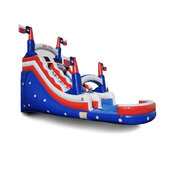
Inflatable water slides and backyard water slides turn a yard into a splash zone. Heights range from 10 to 22 feet, sometimes more. You’ll need water access and good drainage. If you want the biggest smiles per minute on a hot day, water slides for rent are hard to beat. Just plan for towels, sunscreen, and a bit of mud.
Toddler zones are softer, lower-pressure playlands with small slides and shapes sized for ages one to five. They’re ideal when the guest list leans very young, or when you want a dedicated space away from rambunctious older kids.
Mechanical attachments and extras round everything out: foam cannons, dunk tanks, interactive sports games, and cotton candy or popcorn machines. These can help balance your layout and spread crowds across the space.
How Much It Really Costs
Pricing varies by region, season, and the quality of the inventory. I’ll use broad ranges that match what I’ve seen across mid-size US cities. Expect the top end during peak months from late spring through early fall, and more availability and discounts in colder months.
A basic 13x13 bounce house typically runs 120 to 220 dollars for a standard rental window, usually six to eight hours. If you’re bundling with another inflatable or booking on a weekday, you may get down toward the lower end.
Bounce houses with slides, or combos, often land between 200 and 350 dollars. The added features and larger footprint bump delivery and setup time.
Inflatable water slides vary widely. A small backyard water slide might be 250 to 350 dollars. A 15 to 18 foot slide often runs 300 to 500 dollars. The big, showpiece summer waterslides at 20 to 22 feet can reach 500 to 800 dollars, sometimes more on holiday weekends.
Inflatable obstacle courses start near 350 to 500 dollars for a compact, 30-foot layout. Larger dual-lane, 60-plus-foot courses and multi-piece circuits can push 700 to 1,500 dollars or more, especially when they require multiple blowers and extra staff to position safely.
Add-ons matter. Delivery fees may be baked into a certain radius, then rise by mileage. Early-morning or late-night pickups can incur a premium. Stairs, long carries from the curb, and setups on school carnival inflatables hard surfaces that require extra anchoring or sandbags can add 20 to 60 dollars. Generators cost 50 to 125 dollars, often higher for large units. Overnight rentals sometimes add 20 to 30 percent, though off-peak days can be negotiable.
Insurance and permits rarely show up as a line item, but they influence the base price. Reputable operators carry commercial liability coverage and invest in state inspections where required. If a quote looks too good to be true, ask about insurance certificates and inspection tags.
Safety Is Not Optional
I’ve walked away from quotes that felt cheap for a reason. Inflatable moonwalks and slides are safe when installed correctly, supervised, and protected from wind. Most accidents happen when one of those three breaks down.
Anchoring is fundamental. On grass, look for steel stakes at least 18 inches long, driven fully and at opposing angles. On hard surfaces, operators should use heavy sandbags or water barrels tied to secure anchor points. If you see an unanchored corner on arrival, speak up immediately.
Wind is the line you never cross. Many manufacturers recommend deflation at sustained winds of 15 to 20 mph, and even less for tall water slides. If gusts are pushing kids sideways on a slide, stop. I’ve paused parties for an hour to let a gust front pass. It’s never worth the risk.
Rules about mixing ages keep everyone safe. Big kids and toddlers in the same space create collisions. Use a simple rotation: younger kids together, older kids together, and a max count posted by the entrance. A 13x13 might handle six to eight small kids or four larger ones.
Cleanliness matters more than people expect. Ask the vendor how they sanitize between rentals. You want a disinfectant protocol and a visual inspection on arrival. If it looks dirty, it is. Ask for a quick wipe-down before kids enter.
Electrical safety includes GFCI protection and proper cords. Outdoor-rated, heavy-gauge extension cords, preferably 12 gauge for longer runs, should feed the blowers. Keep cords out of standing water, tape them down or cover with mats where people walk, and use a single circuit per blower if possible to avoid tripping breakers.
Power, Water, and Surface: What You Need on Site
At minimum, a standard bounce house needs one blower that draws around 7 to 10 amps. A combo might need two. Larger obstacle courses and tall slides can require two to three blowers. A single household circuit is typically 15 or 20 amps. If you load other devices on the same circuit, you risk tripping. Identify your circuits before the crew arrives, and give each blower its own circuit when you can. If your panel is far or your yard is large, a generator simplifies everything, though it adds cost and a low hum you’ll hear.
Water slides need a standard garden hose connection with steady pressure. Check your tap speed with a five-gallon bucket test. If it fills in 30 seconds or less, you’re in good shape. Expect 50 to 200 gallons per hour of throughput depending on slide size and flow. The real variable is drainage. Water will pool in dips of grass and run toward the lowest point. If your lawn slopes toward a patio or a basement entry, you may want to rethink the location or lay down plastic and sandbags to redirect runoff.
Surface type guides the anchoring and wear. Grass is ideal for most inflatables because stakes anchor deeply and the surface is forgiving. Asphalt or concrete works with proper sandbagging and protective tarps or mats under entrance and exit points. Dirt can become mud, which turns a cheerful bounce house into a slip hazard. If you must use dirt, lay protective ground cover and have extra towels on hand.
Space measurements should include clearance. That 15x15 unit needs at least 17x17 feet to account for stakes and blower clearance, plus overhead space free of branches and power lines. Slides require extra room at the front for stopping zones and at the back for blower placement.
How Deliveries and Setups Usually Go
Most companies deliver within a two to three hour window. They unload the rolled inflatable, position ground tarps, unroll, connect blowers, run cords, stake or ballast, then inflate to check seams and alignment. It’s faster than you might think. A 13x13 goes up in 10 to 20 minutes if the path is clear. Bigger water slides and obstacle courses can take 30 to 60 minutes with two workers.
Site access is the sleeper issue. Crews maneuver heavy rolls that can exceed 300 pounds for larger slides. They use carts, but stairs and narrow side yards slow everything. I’ve seen a 15-minute setup turn into an hour because of tight gates and a steep slope. Measure your gate width; 36 inches is a safe minimum for most medium units.
Your job during setup is simple: show the exact spot, confirm power and water, and keep kids and pets away until the crew finishes anchoring. When the crew leaves, you should feel comfortable with emergency shutoff procedures, including how to power down blowers in wind or storms and how to re-inflate once conditions improve.
Weather, Cancellations, and Backup Plans
Weather policies differ by vendor, but most allow weather-related cancellations or reschedules without penalty if wind or lightning moves in. Light rain alone usually doesn’t stop a bounce house, though it turns entrances slick. Water slides are fine in warm rain, but thunder means pause. Ask about the deadline for go or no-go decisions. A fair policy gives you until the morning of the event to decide, based on radar.
If rain threatens, pivot. Move tables and concessions under cover, shift the inflatable away from a low spot, and line up a couple of indoor games. If wind forecasts creep toward 20 mph with gusts higher, consider swapping a tall slide for a low-profile combo, or cancel altogether. Safety rules don’t budge.
How to Choose a Vendor You’ll Want Back
Look for a company with well-maintained inventory, clear photos, and pricing that includes the basics: delivery, setup, and pickup. Reach for those who show third-party reviews that mention clean equipment and punctuality. The best operators post their insurance certificate and inspection compliance, or provide them on request within a business day.
Ask two questions that separate pros from hobbyists. What’s your wind policy, and how do you anchor on hard surfaces? If the answers are vague, keep shopping. You can also ask how they handle simultaneous drop-offs on busy Saturdays. A well-run outfit has routing software or dedicated dispatchers to keep schedules tight.
Finally, request a copy of the rental agreement before you pay a deposit. Read the sections on damage, cleaning fees, and power requirements. You should see reasonable terms that match the reality of kids at play, not gotchas.
Layout, Flow, and Crowd Management
A little planning keeps lines short and reduces bumps. Place the inflatable where you can see it from the main gathering area and where parents have a clear vantage point. Keep entrances and exits visible, not tucked behind bushes or grills. On hot days, shade the waiting area if possible, even if the inflatable sits in sun.
I like to split active zones. If you book both a bounce house and a water slide, set them far enough apart that one doesn’t splash the other, but close enough that two adults can supervise both without sprinting. For school events or block parties, put the inflatable obstacle courses where lines can snake safely without crossing driveways or streets.
Rotate users by age or by time blocks. Use a kitchen timer for five minute turns during peak traffic. Kids accept the structure, and you avoid the inevitable “just one more” stampede that leads to overcapacity.
Cleaning, Drying, and Yard Aftercare
After a water slide rental, the grass will be damp, sometimes squishy. The heavier the unit and the longer it sits, the more compression you’ll see. Move the slide off grass as soon as the crew arrives for pickup to let the lawn breathe. Give your grass a day before mowing, and if you have a shady lawn, consider a light rake to lift flattened blades.
Ask the crew to wipe and dry high-traffic surfaces before deflation if the day ends cool. Trapped moisture in folds can lead to mildew odors that show up on the next rental. Reputable companies dry inflatables at their warehouse, but a quick towel pass during pickup helps.
If sugary drinks or snacks made their way in, expect ants. Keeping food and colored beverages away from the entrance isn’t just about cleanliness; dyes can stain vinyl seams. Water and clear sports drinks in the waiting area simplify cleanup.
Typical Mistakes and How to Dodge Them
New hosts do a few predictable things that cause headaches. They underestimate space, especially for slides, and forget overhead clearance. They share a circuit between a blower and a frozen drink machine, which trips the breaker every twenty minutes. They put the inflatable where the sprinkler line runs shallowly, then someone drives a stake through it. A quick sprinkler map or a few flags from a previous landscape project can prevent that.
I’ve seen a combo unit wedged under a low branch that rubbed all day and created a scuff hole. Clear branches a few feet higher than the tallest point. On windy days, I’ve watched people try to keep a unit up by adding kids, which is exactly backward. More weight doesn’t secure a sail in gusts. Turn off the blowers, let the unit settle, and wait.
When Buying Beats Renting
If you host frequent events, you may consider buying a used bounce house. For a family, it rarely pencils out. Storage, cleaning, and repairs take real effort, and you’ll still rent specialty items like inflatable water slides or larger obstacle courses. For a school PTA or a community group with a secure storage area and volunteers, a used unit in good condition can pay for itself after five to seven uses. Make sure to budget for a commercial-grade blower, repair kits, and annual inspections where required.
Real-World Scenarios
A backyard birthday, ages four to eight, with twenty kids: a 13x13 bounce house plus a small backyard water slide covers the range. Place them on opposite sides of the yard so dry kids stay dry by choice. Budget 350 to 500 dollars total, plus maybe 50 dollars for a generator if outlets are far.
An elementary school spring fair: go with a dual-lane inflatable obstacle course and a combo unit. The obstacle course moves kids through quickly and feels competitive, while the combo lets younger ones have a looping experience. Get two or three volunteers to manage lines and height checks. Expect 800 to 1,300 dollars depending on course size and hours.
A teen block party in July: skip the basic moonwalk and rent one tall inflatable water slide and one interactive game, like a basketball shooter or bungee run. Teens run the slide nonstop when it’s hot, then break for the game with friends. Budget 700 to 1,200 dollars, and plan for ample towels, a hose splitter, and floodlights if you go past dusk.
Booking Timeline and Peak Months
Prime Saturdays in May, June, and September can book out weeks ahead. As soon as you set a date, reserve your inflatable. If you’re flexible, ask the vendor which time slots are open and whether they offer multi-item discounts for weekday events or Sunday afternoons. If you want summer waterslides in late July, don’t wait. Heat waves push last-minute demand, and the most popular heights vanish first.
Read the deposit terms. Ten to 30 percent is common, refundable for weather according to policy. Get your final confirmation in writing with the service window, equipment names, size footprints, and any add-ons like generators or attendants.
Insurance, Liability, and What That Waiver Means
You’ll sign a waiver that shifts operational responsibility to you once the equipment is installed and the crew leaves. This is industry standard. Your role includes supervision, rule enforcement, and weather calls. The vendor’s insurance covers equipment and installation liability. If a guest ignores posted rules and gets hurt, liability may become complicated. Set clear rules upfront, especially no flips, no shoes, and no mixed-age crowding.
If you’re hosting at a public park, the city often requires a certificate of insurance naming them as additional insured. Give your vendor at least a few days to issue it. Many parks also require proof of inflatable permits and restrict staking in public turf. Confirm water access at parks too. Some have lockable spigots that only maintenance can open.
The Subtle Details That Make a Big Difference
Vinyl color and temperature matter more than you’d think. Dark slides get hot in direct sun. If your event lands in midday heat, ask for lighter colors or a shade canopy at the entrance. A simple garden mister pointed at the slide ladder makes climbing more comfortable.
Plan footwear zones. A tarp near the entrance becomes the shoe corral. If you don’t designate one, shoes scatter, kids forget, and someone trips. Keep trash and drinks away from the exit area where kids tumble out buzzing with energy and less spatial awareness.
Sound competes with blowers. One blower is a gentle whoosh. Three or four become a constant background hum. If you plan speeches or a DJ, place speakers opposite the blower outlets to avoid shouting over the noise.
Simple Pre-Event Checklist
- Confirm power: dedicated circuits or a generator sized for your blowers. Measure space with clearance, including overhead branches and lines. Decide placement with drainage in mind, especially for water slides. Set supervision: at least one adult focused on the inflatable at all times. Review weather policy and morning-of decision deadline with your vendor.
A Few Honest Trade-offs
Bigger slides draw crowds, but they also demand more shade, more water, and stricter wind limits. Compact combos won’t stop traffic at a school fair, yet they fit beautifully into small yards and keep multi-age groups happy. Foam parties look great on social feeds, though cleanup and wet grass can be a surprise if you don’t plan towels and a rinse zone. Dry bounce houses are simple and forgiving, but in peak summer heat, kids gravitate to water. Match your rental to your climate, yard, and guests, not to a social media highlight reel.
Final Thoughts You Can Act On
If you do nothing else, lock in your date early, measure your yard with honest clearance, and ask vendors specific questions about anchoring, wind policy, and cleaning. Choose the category that fits your crowd: a basic bounce for small kids, a combo for mixed ages, an inflatable obstacle course to move lines, or inflatable water slides when the forecast screams hot. Keep supervision steady, keep circuits separate, and don’t hesitate to pause for weather. The day goes smoother, kids leave tired and happy, and you won’t spend the evening wringing out towels and second-guessing your choices.
Good inflatable rentals don’t just show up and inflate. They fit the space, match the guests, respect the weather, and run on clear rules. When those pieces click, a backyard turns into an arena of laughing, tumbling, splashy chaos, and the photos look as joyful as the day felt.